A Short Biographical Note
The following account has been compiled from available family-history sources, including civil registration indexes, census returns, electoral rolls and parish material.
George Banks was born in this Parish during the spring of 1868. The civil birth index records a George Henry Banks, registered in the second quarter of 1868, and this is believed to be the same man, though the middle name is used inconsistently in later records. His parents were Thomas Banks, a carpenter, and Eliza Banks, formerly Prowse, who appear together on the 1871 census at a small cottage nearby. George was 3 years old at this time.
By the time of the 1881 census, George was living with his widowed mother and two younger sisters. His occupation is given as “errand boy”, though a later family recollection describes him as being “connected with chapel work from a young age”. In 1891, he appears as a lodger at 61, High Street, occupation “clerk / mission assistant”. This is the first record suggesting his move toward public/community duties.
A marriage record from the General Register Office index shows a George Banks marrying Martha Ellen Squire in the third quarter of 1894. The couple are found in the 1901 census living in modest accommodation with one daughter, Edith, aged 4. George’s occupation is recorded as “lay preacher”, though the enumerator appears to have first written “teacher” and then corrected it. This has caused some confusion in several online family trees.
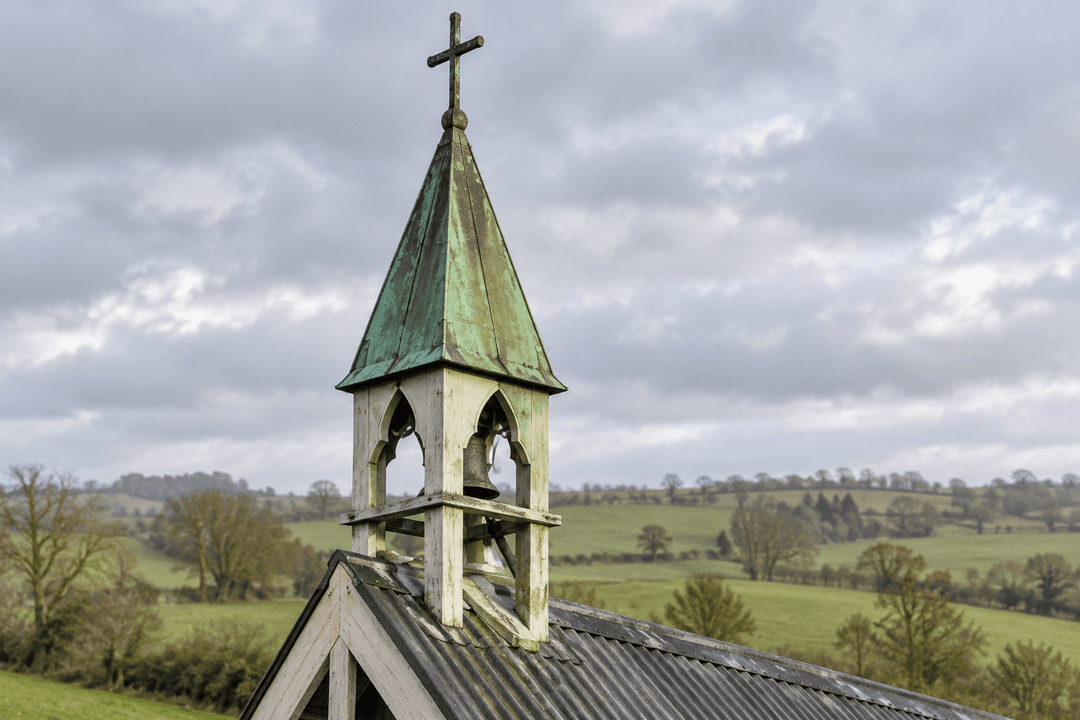
By 1902, George Banks is known to have been heavily involved in the establishment of the Chapel of St Letus Salata. No formal appointment record has yet been found, but his name appears in connection with early meetings and his private scrapbook contains a record of the subscription lists.
He is usually referred to as Mr George Banks, occasionally G. H. Banks, and once, rather grandly, as “Father Banks”, though there is no surviving evidence of formal ordination so this could have been written by his daughter.
The 1911 census gives George’s occupation as “speaker and registrar of accounts”. Martha is listed as assisting with “meetings and linen,” a phrase that deserves further investigation.
A death registration for a George H. Banks appears in 1937, aged 69. No probate entry of significance has been found. His legacy appears instead in chapel records, where he is remembered as a practical organiser, a regular speaker, and a man whose handwriting became noticeably firmer whenever money was involved.